Start Dropshipping in Morocco with Alibaba 2026
Discover how to launch a successful dropshipping business in Morocco with Alibaba. Learn how to find your niche, set up payments, and reach customers. Read now and start selling online in Morocco today with our 2026 step-by-step guide!
By Obed Avorlenu · · Updated July 17, 2026 · 7 min read
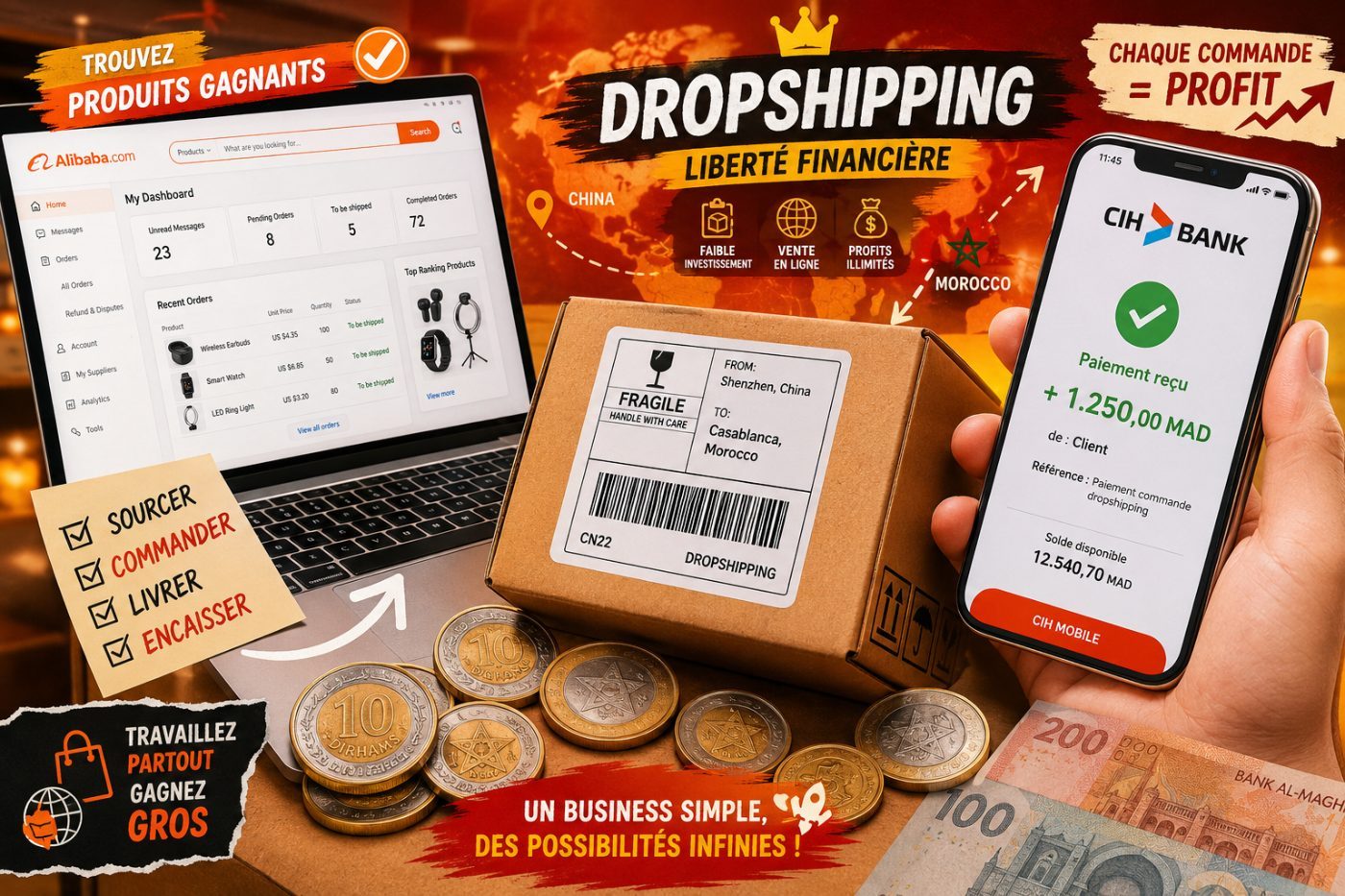
You are sitting in your room in Casablanca. You see people online making money from dropshipping. You want to try. But you have no idea where to start.
Here is what nobody tells you: dropshipping is not dead. And Morocco is one of the best markets to start.
With over 36 million internet users and a rapidly growing e-commerce market, Moroccan consumers are buying more online than ever before. Delivery times are improving. Payment gateways like CIH Bank and PayTabs are making it easier to accept payments.
The opportunities are here. But you need a system.
Here is your step-by-step guide to starting a dropshipping business in Morocco in 2026.
Step 1: Find Your Niche — Do Not Sell Everything
This is where most beginners fail. They open a "general store" and list 500 random products. Nobody buys.
Exactly what to do:
Brainstorm 3 categories you care about. Fashion, home decor, electronics, beauty, fitness, or kids' products.
Research what Moroccans are buying. Check Facebook Marketplace, Instagram, and TikTok. What products are popular? What are people talking about?
Check competition. Search your category on AliExpress or Alibaba. Are there many sellers? If yes, can you differentiate?
Pick ONE niche. Focus on it for the first 6 months.
Niche examples that work in Morocco:
Modest fashion: Abayas, hijabs, modest dresses
Home decor: Moroccan-inspired decor, lighting, rugs
Tech accessories: Phone cases, chargers, headphones
Beauty products: Skincare, makeup, haircare
Kids' products: Toys, clothing, educational items
Pro tip: Look for products that solve a problem. Products that make life easier, save time, or improve appearance sell best.
Step 2: Find Reliable Suppliers on Alibaba
Your supplier is your business partner. If they are slow or unreliable, your reputation is destroyed.
Exactly what to do:
Go to Alibaba and create a free account.
Search for your product. Use keywords like "women's modest dress," "phone case," or "home decor."
Filter by "Verified Supplier" and "Trade Assurance." This protects you if the supplier fails to deliver.
Check supplier ratings and reviews. Look for suppliers with at least 4.5 stars and positive feedback over 12+ months.
Message 5-10 suppliers. Ask about:
Product quality
MOQ (Minimum Order Quantity) — look for suppliers with low or no MOQ
Shipping times and costs to Morocco
Sample availability
Order a sample. Test the product quality, shipping speed, and packaging before you sell to customers.
Pro tip: If a supplier has a low MOQ (10-50 units), you can test products without committing to bulk orders.
Step 3: Set Up Shipping — The Most Important Part
Shipping is the biggest challenge for Moroccan dropshippers. Customers expect fast delivery. International shipping can take 2-4 weeks.
Your options:
Direct shipping: Supplier ships directly to customer. Takes 2-4 weeks. Cost is cheap.
Oberlo/DSers: Automated shipping from AliExpress. Takes 2-4 weeks. Cost is moderate.
Local supplier: Moroccan supplier with local stock. Takes 2-5 days. Cost is higher.
Mega BS: Moroccan dropshipping supplier. Takes 2-5 days. Cost is higher.
Exactly what to do:
Start with direct shipping from Alibaba to test your products.
Be transparent with customers. State shipping times clearly on your product pages: "Delivery to Morocco takes 10-20 business days."
Offer tracking. Use apps like Trackr or AfterShip to send automatic tracking updates.
Consider local suppliers. As you grow, explore Moroccan suppliers like Mega BS who offer faster delivery.
Pro tip: Use the AliExpress Standard Shipping option. It provides tracking and faster delivery than economy shipping.
Step 4: Build Your Shopify Store
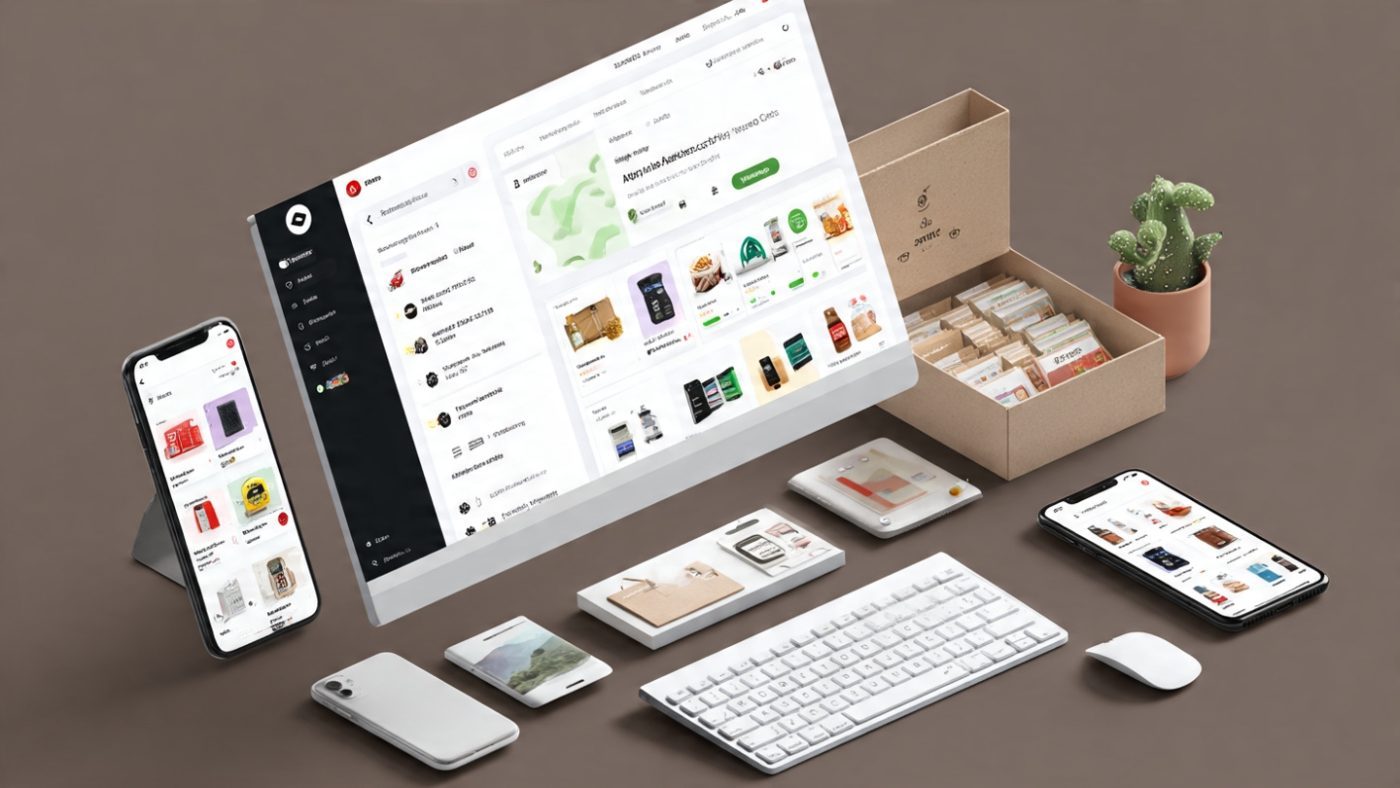
Shopify is the best platform for dropshipping in Morocco.
Exactly what to do:
Go to Shopify and sign up for the 3-day free trial. Then it is $1 per month for the first 3 months.
Pick a free theme. Dawn is clean and mobile-optimized.
Add your products. Use the DSers app to import products from Alibaba or AliExpress automatically.
Write product descriptions. Focus on benefits, not just features. "This dress is perfect for weddings and special occasions" not "This dress is made of polyester."
Upload high-quality images. Use supplier images or order samples and take your own photos.
Pro tip: Add a "Shipping Policy" page that clearly states delivery times to Morocco.
Step 5: Set Up Payments for Moroccan Customers
Here is where many Moroccans get stuck. You need a payment gateway that works in Morocco.
Your options:
CIH Bank: Accepts local cards and bank transfers. Widely trusted in Morocco.
PayTabs: Accepts international cards and local payments. Full Moroccan integration.
PayPal: Accepts international payments. Works but not ideal for Morocco.
Virement bancaire: Direct bank transfer. Simple but slow.
Exactly what to do:
Sign up with PayTabs or CIH Bank. Both are optimized for Moroccan e-commerce.
Connect the gateway to your Shopify store via the "Payments" section.
Test with a small transaction before going live.
Consider offering Cash on Delivery (COD). Many Moroccans prefer COD for their first purchase.
Pro tip: COD is risky (customers can refuse delivery), but it builds trust. Start with online payments first, then add COD as you grow.
Step 6: Set Your Prices — How to Profit in Moroccan Dirhams
Pricing is critical. You need to cover your costs and make a profit.
Pricing formula:
(Product cost + Shipping + Shopify fees + Payment fees) x 2.5
Example for a dress:
Product cost (Alibaba): MAD 80
Shipping to Morocco: MAD 60
Shopify + payment fees: MAD 15
Total cost: MAD 155
Selling price (2.5x): MAD 387
Profit per sale: MAD 232
Pro tip: Start with lower prices to get early sales and reviews. Increase prices after you have social proof.
Step 7: Marketing — Where to Find Moroccan Customers
You have the store. Now you need customers.
Free marketing channels:
Facebook Marketplace: List your products directly. Free, high reach in Morocco.
Instagram: Post photos and videos. Visual products sell well.
TikTok: Short videos showcasing products. Growing Moroccan audience.
WhatsApp: Share products in groups. Moroccans are heavy WhatsApp users.
Facebook Groups: Join Moroccan shopping groups. Highly targeted.
Paid marketing (when you have budget):
Facebook Ads: Best for targeted audience. Cost is MAD 100–1,000/day.
Instagram Ads: Best for visual products. Cost is MAD 100–1,000/day.
TikTok Ads: Best for short-form video. Cost is MAD 100–1,000/day.
Exactly what to do:
Start with free channels. Post your products on Facebook Marketplace and Instagram.
Create a content schedule. Post 3-5 times per week.
Use Facebook Ads when you have a winning product. Start with MAD 50/day and scale.
Collaborate with Moroccan influencers. Offer free products in exchange for reviews.
Pro tip: Target "Morocco" in your Facebook Ads location settings. Moroccans are more likely to buy from local sellers.
Step 8: Launch Your Store and Make Your First Sale
You have done the work. Now it is time to launch.
Exactly what to do:
Set a launch date. Announce it on your social media. "My store opens on [Date]!"
Offer a launch discount. "10% off your first order with code LAUNCH10."
Share your store everywhere. WhatsApp, Instagram, Facebook, Twitter, and with friends and family.
Get your first sale. Ask 3 friends to buy your product. This gives you reviews and social proof.
Post your first customer review. Screenshot it and share it on social media.
Common Mistakes Moroccan Dropshippers Make
Not ordering a sample: Always test quality before selling.
Vague shipping times: Be transparent about delivery times.
No customer support: Respond to messages within 24 hours.
Copying others: Add your own touch.
Giving up after 1 month: Keep going for at least 6 months.
Not having a returns policy: Create a clear returns and refund policy.
The Hard Truth
Dropshipping in Morocco is not a get-rich-quick scheme. It takes time to find winning products, build trust, and get sales. Most dropshippers quit after 2 months.
But here is what nobody tells you: the ones who keep going are the ones who succeed. If you put in the work, learn from your mistakes, and stay consistent, you can build a profitable business.
Your advantage? Moroccans are increasingly comfortable buying online. The e-commerce infrastructure is improving. And you are starting now, before the market becomes saturated.
Your 8-Step Action Plan
Pick your niche — one category, 6 months
Find suppliers — message 5-10 on Alibaba
Order samples — test quality and shipping
Set up Shopify — sign up, add products
Set up payments — CIH Bank or PayTabs
Price your products — use the 2.5x formula
Start marketing — Facebook Marketplace, Instagram, WhatsApp
Launch and iterate — get your first sale, then improve
Your Call to Action
Open your phone right now. Go to Alibaba. Search for one product in your niche. Message 5 suppliers. Ask about shipping to Morocco.
Then drop a comment below: what product are you planning to sell? I will personally reply with tips to help you find the right supplier.
Morocco's e-commerce market is growing. Your store could be next. 🇲🇦