Win Scholarships in 2026: Expert Guide for Ugandan Students
Stop getting rejected! Discover the proven 2026 step-by-step system for Ugandan students to secure fully funded scholarships and study abroad
By Obed Avorlenu · · Updated July 4, 2026 · 8 min read


Stop Waiting and Start Winning
You have spent hours filling out forms. You have written essays that you poured your heart into. You have begged lecturers for recommendation letters. And then — silence. No email. No call. No explanation.
You are not alone. Thousands of Ugandan students apply for scholarships every year, and most get rejected. Not because they are not capable. Not because they are not smart enough. But because they make the same mistakes over and over again.
Here is what nobody tells you: Winning a scholarship is not about being the smartest person in the room. It is about being the most prepared. It is about understanding what scholarship committees are actually looking for. It is about following instructions to the letter and telling a story that makes them believe in you.
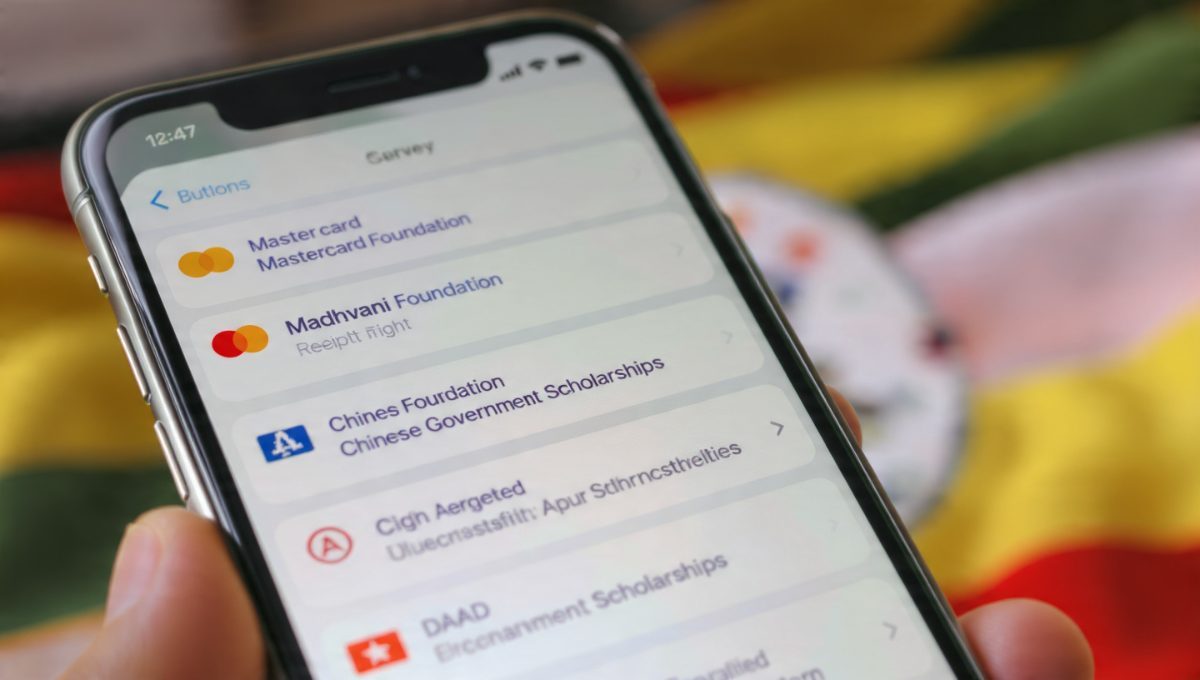
In 2026 alone, there are hundreds of scholarship opportunities available to Ugandan students. The Mastercard Foundation Scholars Program at Makerere University is offering 245 undergraduate and 13 Master's scholarships. The FAWE Uganda-Mastercard Foundation partnership is offering 600 bursaries for underrepresented youth. The Muljibhai Madhvani Foundation has unveiled a Shs750 million scholarship package. The Chinese Government is offering scholarships for Ugandan students to study in China. And that is just the beginning.
The opportunities are there. You just need to know how to seize them.
Here is the complete, step-by-step system to go from rejection to selection.

The Brutal Truth About Scholarship Applications
Let me tell you why most Ugandan students never win scholarships.
Reason 1: Poor Application Preparation: Many students do not spend enough time tailoring their applications to the specific requirements of each scholarship. They submit generic essays that fail to address the unique criteria set by the awarding body. Scholarship committees are looking for applicants who stand out, and that means paying attention to the details.
Reason 2: Insufficient Academic Performance: Many scholarships are highly competitive and require a strong academic record. If you do not meet the GPA cut-off, no amount of extracurriculars will save you. Check the requirements before you apply. Do not waste time on scholarships you are not eligible for.
Reason 3: Lack of Clarity in Goals: Scholarships often look for students with clear, well-defined goals. If you cannot articulate why you want this scholarship and how it will help you achieve your ambitions, it is tough to convince a committee to choose you.
Reason 4: Failing to Follow Instructions: Whether it is exceeding the word limit on essays, missing deadlines, or failing to provide required documents, these mistakes can lead to automatic disqualification. It is not that you are not capable — it is often just a matter of oversight.
Reason 5: Recommendation Letter Struggles: "Convincing lecturers to provide recommendation letters is another challenging obstacle. Some of them really show off. It is really hard for us students pursuing fully funded scholarships outside the country," shares Samson Okello, a Makerere University graduate.
Reason 6: Not Casting a Wide Net: Many students focus on just one or two opportunities, instead of casting a wide net. The more scholarships you apply to, the better your chances. Some of the smaller scholarships do not get as many applications, so do not overlook them.
Reason 7: The Manual System Struggle: Many students report difficulties in submitting documents, tracking their application status, and understanding eligibility criteria. Satisfaction levels with the current system are generally low.
Here is the good news: Every single one of these problems is fixable. And I am going to show you exactly how.
Step 1: Know What Is Available (2026 Opportunities)
You cannot win a scholarship you do not know about. Here are the major opportunities for Ugandan students in 2026.
Mastercard Foundation Scholars Program at Makerere University
What: 245 Undergraduate and 13 Master's scholarships for the 2026/2027 academic year.
Eligibility: Applicants must be 35 years or younger (40 for refugees, IDPs, and persons with disabilities). At least 70% of scholarships go to young women, and at least 25% to refugees and IDPs. Must have applied for admission to Makerere University main campus.
Priority: Applicants from underrepresented groups, refugees, persons with disabilities, and those experiencing financial constraints.
Deadline: Friday, 5th June 2026, at 11:59 p.m. EAT.
FAWE-Mastercard Foundation HEAC Programme
What: 600 bursaries for the 2026/2027 academic year at Cavendish University.
Eligibility: UACE holders (2022-2025) with at least 1 Principal Pass or 2 Subsidiary Passes. Ugandan nationals (18-30) or refugees/Persons with Disabilities (18-30). Born in and residing in targeted districts.
Target: STEM-related courses. Female applicants strongly encouraged (80% of bursaries).
Deadline: Friday, 8th May 2026.
Apply: Pick up application forms from Academic Registrar's office at Cavendish University or District Education Officers in targeted regions.
Muljibhai Madhvani Foundation Scholarships
What: Shs750 million scholarship package for the 2026-2027 academic year.
Eligibility: Ugandan students pursuing both undergraduate and postgraduate studies. Based on academic merit and financial need.
Priority Fields: Agriculture, Biology, Chemistry, Commerce, Engineering, Food Science and Technology, Information Technology, Hotel Management, Pharmacy, Nursing, Architecture, Veterinary Medicine, Actuarial Science, Environmental Studies, and Human Medicine.
Theme: "Torch of Legacy."
Chinese Government Scholarships
What: Fully funded scholarships for Ugandan scholars to study at Masters and Undergraduate levels in Chinese Universities.
Eligibility Undergraduate: Minimum of 'C' in Physics, Chemistry and Mathematics. Completed 'A' Level in 2023 or 2024. Must not be more than 25 years old.
Eligibility Masters: Minimum CGPA of 3.60. At least two years working experience. Must not be more than 35 years old.
Apply: Download form from education.go.ug. Submit to scholarships@education.go.ug or deliver to Legacy Towers.
DAAD Scholarships (Germany)
What: Fully funded Master's and PhD scholarships for candidates from Sub-Saharan Africa.
Programs: In-Country/In-Region Scholarship Programme, Leadership for Africa Programme (for Uganda and South Sudan).
Target: STEM Master's degrees at German universities.
Apply: daad.de/go/en/stipa
UK Commonwealth Scholarships
What: PhD and Masters scholarships in UK Universities for 2026/2027.
Value: A single UK scholarship can represent an investment of about £50,000.
Apply: chevening.org
Higher Education Students Financing Scheme (Government Loans)
What: Loans and scholarships to Ugandan students who cannot support themselves financially.
Coverage: Tuition fees, functional fees, research fees.
Eligibility: Ugandan citizen, admitted to an accredited institution, financial need.
Priority: STEM courses and selected humanities.
Apply: Online through the Ministry of Education and Sports Website.
Pro Tip: Create a spreadsheet. List every scholarship you are eligible for. Note the deadline, requirements, and application link. This is your roadmap.
Step 2: Build Your Foundation Before You Apply
You cannot win a scholarship if you do not meet the basic requirements. Here is what you need to have in place.
Get Your Academics in Order: For undergraduate, strong UACE results are vital. For Master's, a minimum CGPA of 3.60 or higher is often required. If your grades are not where they need to be, consider upgrading or retaking subjects.
Build Your Leadership and Community Service Profile: Scholarships want students who are engaged in their communities. Join a club, volunteer, or start a project. Document everything.
Get Your Documents Ready: Secure your biometric Passport, National ID, academic certificates, and transcripts. Scan them as PDFs and keep them organized.
Apply for Admission First: Many scholarships require you to have already applied for admission. Check university deadlines and apply early.
Step 3: Write a Winning Personal Statement
This is the most important part of your application. Here is how to stand out:
Tell Your Story: Start with a compelling opening. What drives you? What challenge have you overcome? Be honest and "show, don't tell." Instead of saying "I am a leader," describe a specific moment when you led.
Show Clear Goals: What do you want to study and why? How will this scholarship help you achieve your ambitions? What will you do with your education to contribute to Uganda and Africa?
Address the "Why You" Question: Why are you the right person for this scholarship? What makes you unique? How will you use this opportunity to give back?
Follow the Instructions Exactly: Herbert Kibuuka, a PhD holder who secured three different scholarships, says: "It sounds simple, but a surprising number of students don't follow the application guidelines. Whether it's exceeding the word limit on essays, missing deadlines, or failing to provide required documents, these mistakes can lead to automatic disqualification."

Step 4: The Ugandan Reality — Challenges and Solutions
Internet and Power: Download application forms when you have good internet. Work offline when power is out. Use a power bank for your phone.
Data Costs: Budget for data. Treat it as a business expense. Use university or cafe Wi-Fi when available.
Recommendation Letters: Approach lecturers early. Give them at least two weeks' notice and provide them with your CV and a summary of your goals.
Application Confusion: Read guidelines carefully. If unclear, email the scholarship contact. Join WhatsApp or Telegram groups where other applicants share information.
Financial Barriers: Some scholarships have hidden costs. Ask if these are covered, or consider crowdfunding or borrowing from family if necessary.
Hard Truth: Winning a scholarship is not about luck. It is about preparation, persistence, and attention to detail.

Step 5: The 30-Day Action Plan
Week 1 (Research and Preparation): Research scholarships, check your academic eligibility, and gather/scan your documents.
Week 2 (Applications): Write your personal statement, revise it, and begin filling out applications. Do not rush.
Week 3 (Follow Up): Request recommendation letters and submit your applications well before the deadlines.
Week 4 (Prepare for Interviews): Practice answering common interview questions, check your email daily, and if rejected, learn from the process and keep applying.
Your Call to Action:
Open a new tab.
Read the application guidelines.
Write one paragraph about why you deserve this scholarship.
Your scholarship is waiting. Go get it.
Expert Contributors
Samson Okello
Samson Okello is a graduate of Makerere University (Class of 2022) who has firsthand experience navigating Uganda's competitive scholarship landscape. His candid reflections on the process offer a realistic look at the obstacles students face—and the resilience required to overcome them.
Herbert Kibuuka, PhD
Dr. Herbert Kibuuka is a PhD holder who successfully secured three different scholarships. He is a lecturer at Kabale University and has served as Deputy Principal of the College of Humanities and Social Sciences at Kampala International University. His journey gives him a unique perspective on what it takes to win.