Sponsored Content · by Mini pay
Save in Dollars Without a Bank Account or Visa
Discover how to save in dollars without a bank account, visa, or leaving Africa. Learn how to protect your savings from inflation and currency fluctuations. Find out now and start building a safer financial future today!
By Obed Avorlenu · · Updated July 20, 2026 · 7 min read
Let me ask you something painful. How much was your rent three years ago? How much is it now? How much could a bag of rice buy you then versus now?
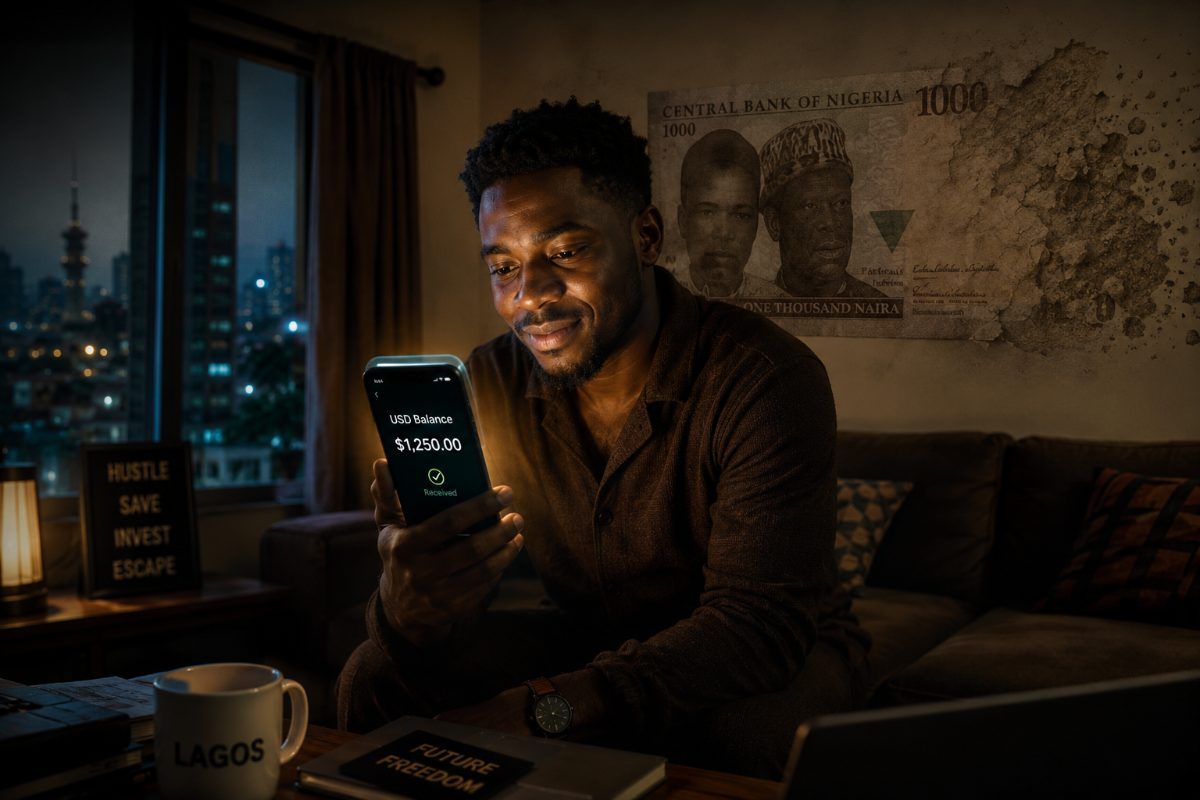
If you are like most young Africans, your answer is the same: your income has not kept up. Your salary might have increased slightly, but the cost of living has sprinted ahead. Every month, you work hard, save a little, and watch that savings buy less and less.
You have heard the advice: "Save in dollars." But how? Getting a domiciliary account in Nigeria is a process. Getting a foreign bank account is nearly impossible without travel. And the apps that promise to help? They either have high fees, complicated processes, or simply do not work in your country.
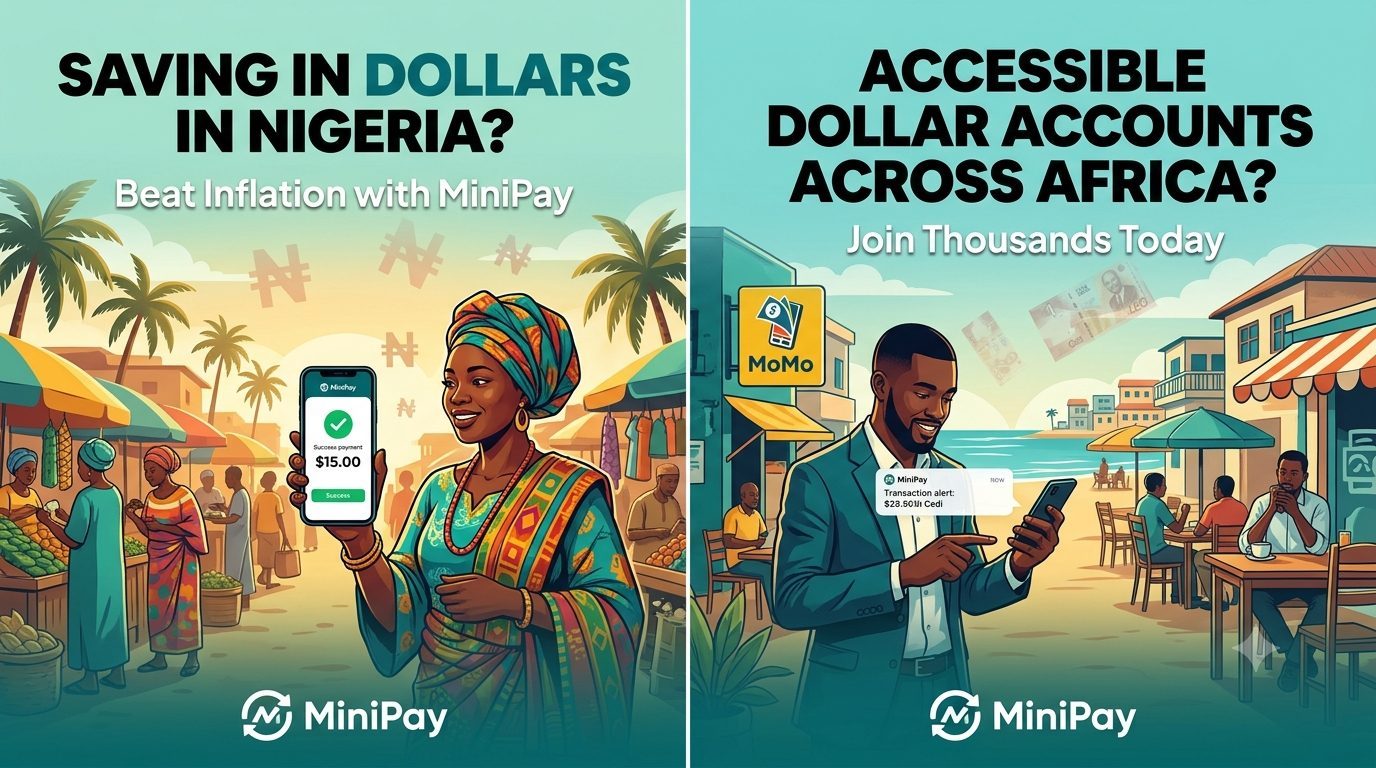
There is a tool that is changing this for thousands of Africans. It is called MiniPay. It is not a bank. It is a self-custodial wallet built on the Celo blockchain and backed by Opera — the company behind the Opera Mini browser that millions of Africans use every day. And it lets you hold, save, and send dollars from your phone.
This is not about crypto speculation or trading. This is about protecting your money from inflation. This is about having a dollar savings account that actually works for you — without a bank, without a visa, and without leaving your country.
Here is exactly how it works and why it matters for your financial future.
The Problem No One Is Talking About
Let us be real. The African financial system is not designed to protect your savings. Here is what happens:
Your bank account pays you close to zero interest. In some countries, you actually pay fees just to keep your money there.
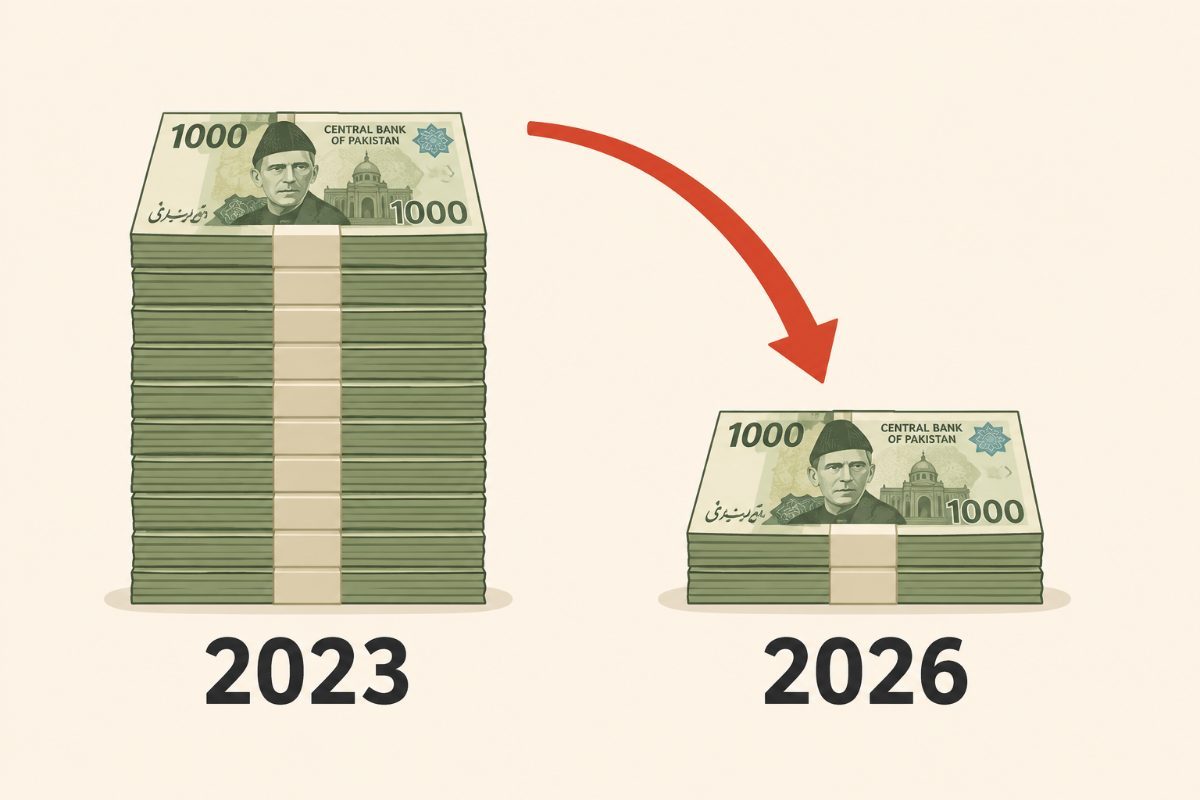
Your local currency loses value every year. In Nigeria, the Naira has lost over 70% of its value against the dollar in the last few years. In Ghana, the Cedi has followed a similar path. In Kenya, the Shilling has steadily declined.
Inflation means the money you saved last year buys less today. The N50,000 you put aside for an emergency fund six months ago? It now has the purchasing power of about N35,000.
This is not your fault. This is the system you were born into.
But here is the hard truth: If you keep saving in your local currency, you are getting poorer every single day. Not because you are spending more, but because the value of what you have saved is melting away.
The only way to stop this is to save in a currency that holds value. That means dollars.
Step 1: Download MiniPay and Set Up Your Wallet in Minutes
The first barrier to saving in dollars has always been access. How do you get dollars? How do you store them? How do you keep them safe?
MiniPay solves all of this.
Action: Go to the Google Play Store and search for "MiniPay." Download the app. It is free.
What happens next:
You will be asked to create a wallet. This takes about two minutes.
You do not need a bank account. You do not need a BVN or NIN or any government ID to get started (though verification may be required for some features).
You will receive a recovery phrase — a set of 12 words. Write these down and keep them somewhere safe. This is your key to your money. No one else has access to it. Not MiniPay. Not Opera. No bank. Just you.
Why this matters: This is a self-custodial wallet. That means you control your money. No bank can freeze your account. No government can seize your funds. You are your own bank.
Step 2: Get Dollars Into Your Wallet — Without a Domiciliary Account
This is where most people get stuck. "How do I actually get dollars?"
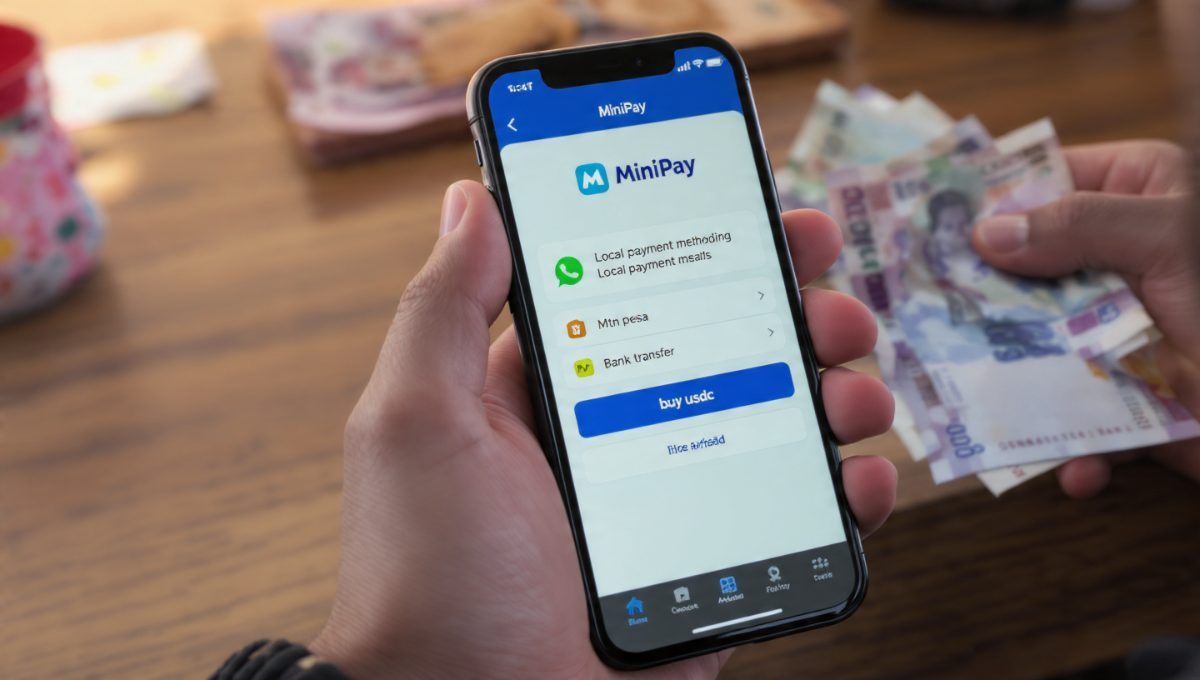
MiniPay has solved this through partnerships with local payment providers across Africa. You can buy USDC (a stable digital dollar) directly in the app using your local currency.
Action:
Open the MiniPay app.
Tap "Buy" or "Fund Wallet."
Select your country and local payment method.
Choose how much you want to convert to dollars.
Complete the payment using:
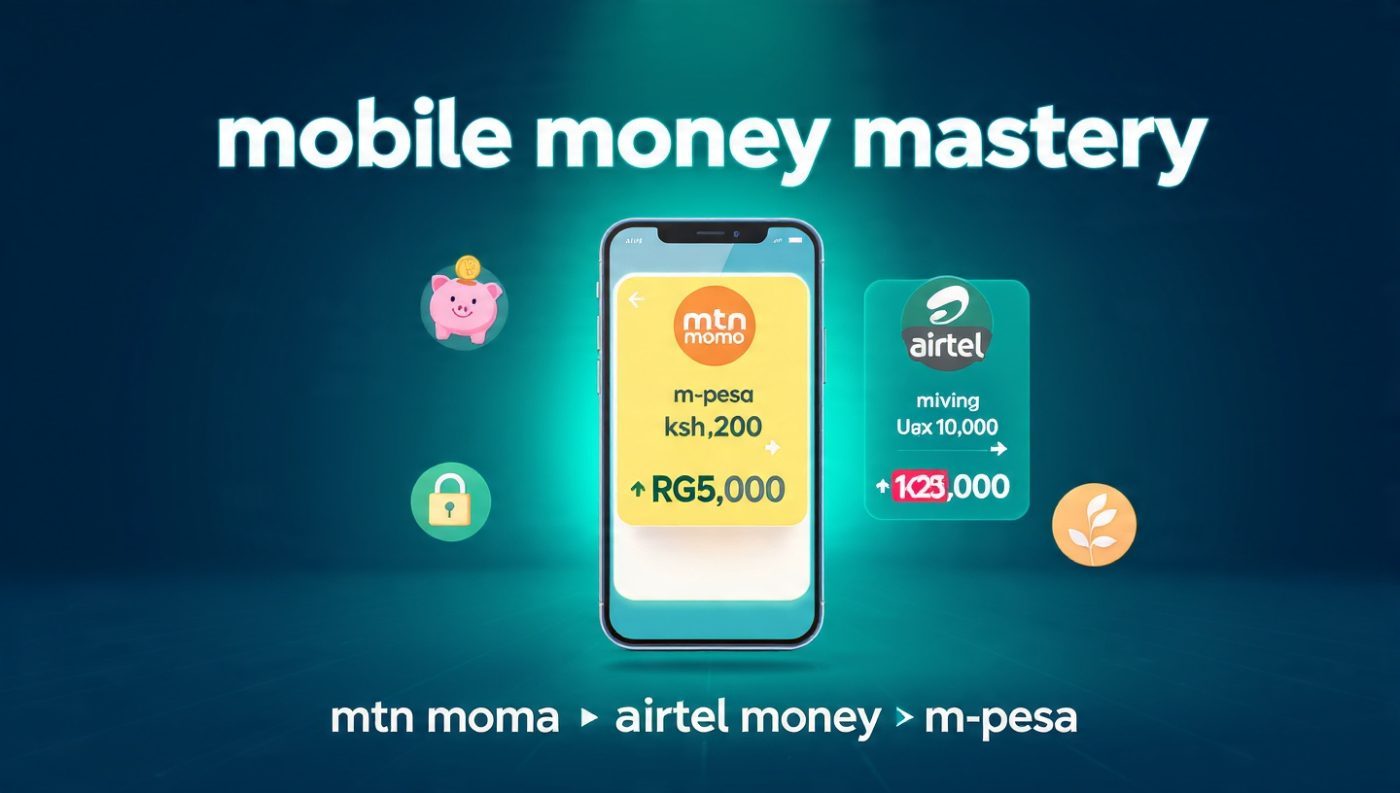
MTN MoMo (Ghana, Uganda, etc.)
M-Pesa (Kenya, Tanzania, etc.)
Orange Money (Cameroon, Senegal, Ivory Coast, etc.)
Bank transfer (Nigeria, South Africa, etc.)
Opay, PalmPay, or other mobile money options
The dollars you buy are stored as USDC, a stablecoin that is always worth $1.00. It is not volatile like Bitcoin or other cryptocurrencies. One USDC = one US dollar. Always.
Pro tip: You do not need to convert everything at once. Start small. Convert N10,000 or N20,000 to USDC. See how it feels to hold dollars on your phone. Once you see how easy it is, you will want to do more.
Step 3: Save, Send, and Spend — Your Dollars, Your Rules
Now that you have dollars in your wallet, what can you do with them?
Action 1: Save.
Your USDC sits in your wallet, holding its value. Unlike your Naira or Cedi or Shilling, it does not lose value to inflation. One USDC today is still one USDC next year. It is a stable store of value.
Action 2: Send money to anyone, anywhere.
Need to send money to a friend in another country? MiniPay lets you send USDC to anyone with a wallet — instantly, with fees under $0.01. No Western Union fees. No days of waiting. No "your transfer is being processed."
Action 3: Pay bills and buy airtime.
MiniPay has integrated "Mini Apps" that let you pay bills, buy airtime, and purchase data directly from your wallet. In Nigeria, Ghana, Kenya, Uganda, and South Africa, you can get cashback on eligible transactions. You are literally getting paid to use your dollars.
Action 4: Spend with a Visa card.
This is the game-changer. MiniPay recently launched a Visa debit card that lets you spend your USDC balance at over 175 million merchants worldwide. You can use it online or in-store, and it works in 46 countries across Africa, Europe, Latin America, and Southeast Asia. No crypto knowledge required at the point of sale. It just works like a regular debit card.
Action 5: Receive payments from international clients.
If you are a freelancer on Upwork, Fiverr, or working with international clients, MiniPay gives you virtual USD account details (ACH for US payments, SEPA for European payments). Your clients can pay you directly into your MiniPay wallet with zero deposit fees.
African Context Tips
MiniPay works in over 50 countries including Nigeria, Kenya, Ghana, South Africa, Uganda, Tanzania, Cameroon, and more. Check the app store to confirm availability in your country.
Local cash-in and cash-out are supported in over 35 local currencies. You can easily convert your USDC back to local currency when you need to spend.
Internet and power are challenges. MiniPay works offline? No, but transactions are fast and lightweight. Use it when you have stable internet. The app is designed to work even on slower connections.
Mobile money is your friend. The integration with M-Pesa, MTN MoMo, Orange Money, and Opay means you do not need a bank account to use MiniPay. If you have a phone, you can save in dollars.
Security is serious. Write down your recovery phrase. Do not screenshot it. Do not store it in your email. Keep it physical, somewhere safe. If you lose it, no one can help you recover your funds. That is the price of being your own bank.
Hard Truth / Reality Check:
Saving in dollars is not a get-rich-quick scheme. It is a wealth preservation strategy. You are not going to wake up tomorrow with millions. But in five years, when your friends who saved in local currency have lost 70% of their purchasing power, you will still have the same value you saved today.
This is not about being rich. It is about not getting poorer.
The other truth: MiniPay is not a bank. It is not insured by the FDIC or any government. But it is backed by Opera, a publicly traded company with billions of users worldwide. It is built on the Celo blockchain, which has been around for years. This is not a scam. This is a legitimate tool.
Call to Action
You have read this far. That means you know your local currency is losing value. You know you need to do something different. You know the old ways are not working.
Here is your one action for today: Download MiniPay. Set up your wallet. Convert 10,000 of your local currency (or your equivalent) to USDC.
That is it. Just start. See how it feels to hold dollars on your phone. See how easy it is. Once you do, you will never want to go back to saving only in local currency.
Your financial future is in your hands. Not your government's. Not your bank's. Yours.